

If you’ve been wondering how to manage anxiety without medication, you are certainly not alone. A lot of people are searching for natural anxiety relief that doesn't require a prescription—and in all honesty, there are some solid, therapy-backed methods to get there.
This is not about “just relaxing” or telling yourself to stop worrying (if that worked, none of us would be anxious). These are actual techniques that actual therapists are using with their clients. Let's get into those.
1. Question the Thought Before You Believe It
Cognitive Behavioral Therapy, or CBT, is one of the most researched treatments for anxiety available. And you don’t have to be in a therapist’s office to work its core trick.
Here's the thing about anxiety: It lies to you. It tells you, “Everything is going to go wrong,” and your brain simply… accepts it. Next time try asking yourself a few things: Is this true or does it just feel true? Is there another way we can see this?
It sounds simple, but it works because it makes your brain slow down and not spiral.
2. Slow Your Breathing Down
When you’re anxious, you don’t even realise your breathing goes shallow. And shallow breathing signals danger to your brain even if you’re just sitting at home doing nothing. Basically, slowing it down stops that signal.
Try this one:
Inhale through your nose for 4 seconds
Hold it for 4 seconds
Let it out slowly for 6 seconds
Repeat for several minutes.
3. Move That Body, Even a Little Bit
You’ve probably heard the phrase “exercise helps anxiety” a hundred times, and for good reason. Exercise is a natural mood lifter and a stress hormone burner.
20-minute walk outside
Stretch and Yoga
Dancing around your room to music you love
Use light weights or your own body weight
“It’s better, honestly, a little bit most days than a lot every once in a while.”
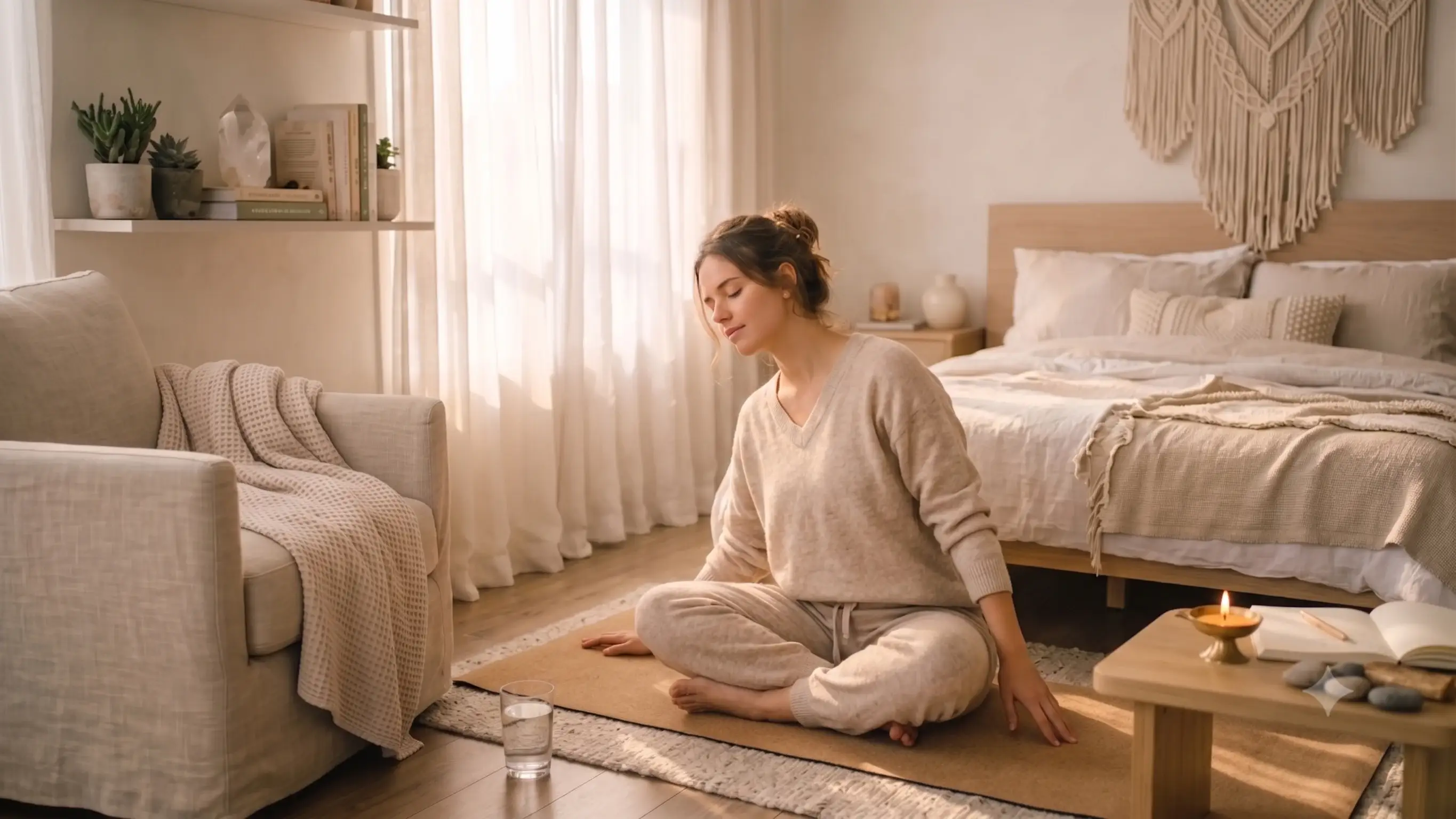
4. Ground Yourself When Anxiety Strikes Hard
Sometimes anxiety just takes over and your head won't stop spinning the worst case scenarios That’s where grounding techniques come in. They bring you back to the present moment, not the “what if” spiral.
5 things you can see
4 things you can touch
3 things you can hear
2 things you can smell
1 thing you can taste
5. Fix Your Sleep
Poor sleep and anxiety are linked. You don’t sleep, so then you’re more anxious the next day. It’s a vicious cycle, but one of the most neglected ways to manage anxiety without medication is to break it.
Some things that really help:
Going to bed at a regular time each night
Turn your phone off 30-60 minutes before bed
Turn your room down low and a bit cool
Stopping caffeine by early afternoon
Sleep won’t cure your anxiety, but it will give your brain and body the recovery time that they so desperately need.
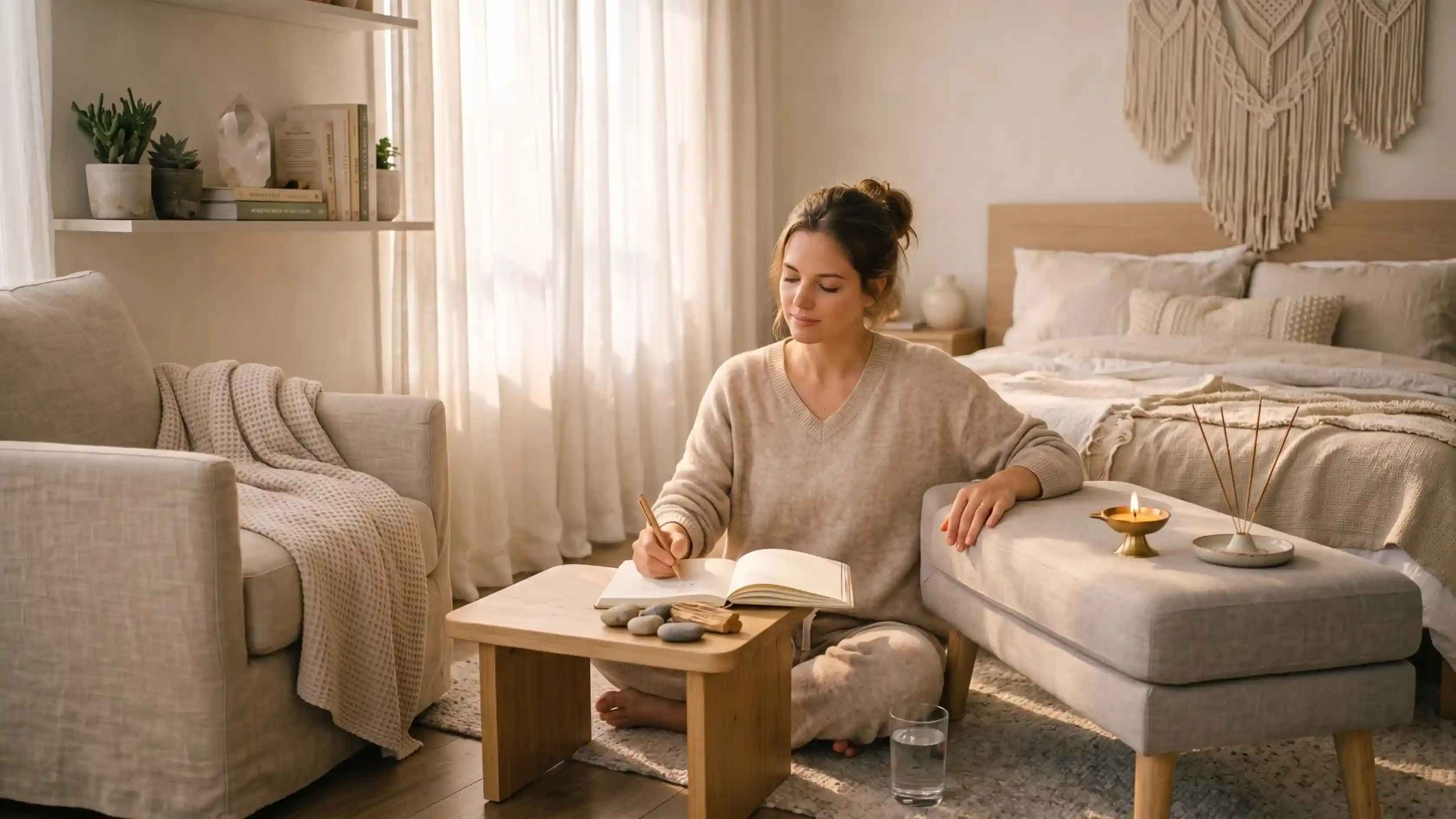
6. Practice Mindfulness In Real Life
Sleep won’t fix your anxiety, but it will allow your brain and body the time it so desperately needs to recover. thrown around a lot, but there’s real science behind it—programs like MBSR (Mindfulness-Based Stress Reduction) have solid research behind them that shows they help with anxiety. And no, it’s not about emptying your mind completely (good luck with that). It’s about being aware of your thoughts and not letting them rule your actions.
You could begin with:
A free app with a 5-minute guided meditation
A body scan before sleep
A walk, just paying attention to your steps and breathing
If you practice doing this you will find that you are not so caught up in anxious thinking.
7. Actually Speak to Someone
You can’t push anxiety down; it only gets louder. Sometimes talking it out with a friend, family member or support group can help ease some of the burden. And if you can, working with a licensed therapist trained in CBT, ACT (acceptance and commitment therapy) or exposure therapy can give you tools that actually fit your specific triggers.
Therapy is not a last resort, nor is it a sign that there's something "wrong" with you. It is one of the best things you can do for long-term relief.